00%
Loading...

Permanence…

  • Running Time
    90 minutes
  • Genre
    Docudrama
  • Language
    Persian(Farsi)
  • Completed
    November 1, 2026, Iran

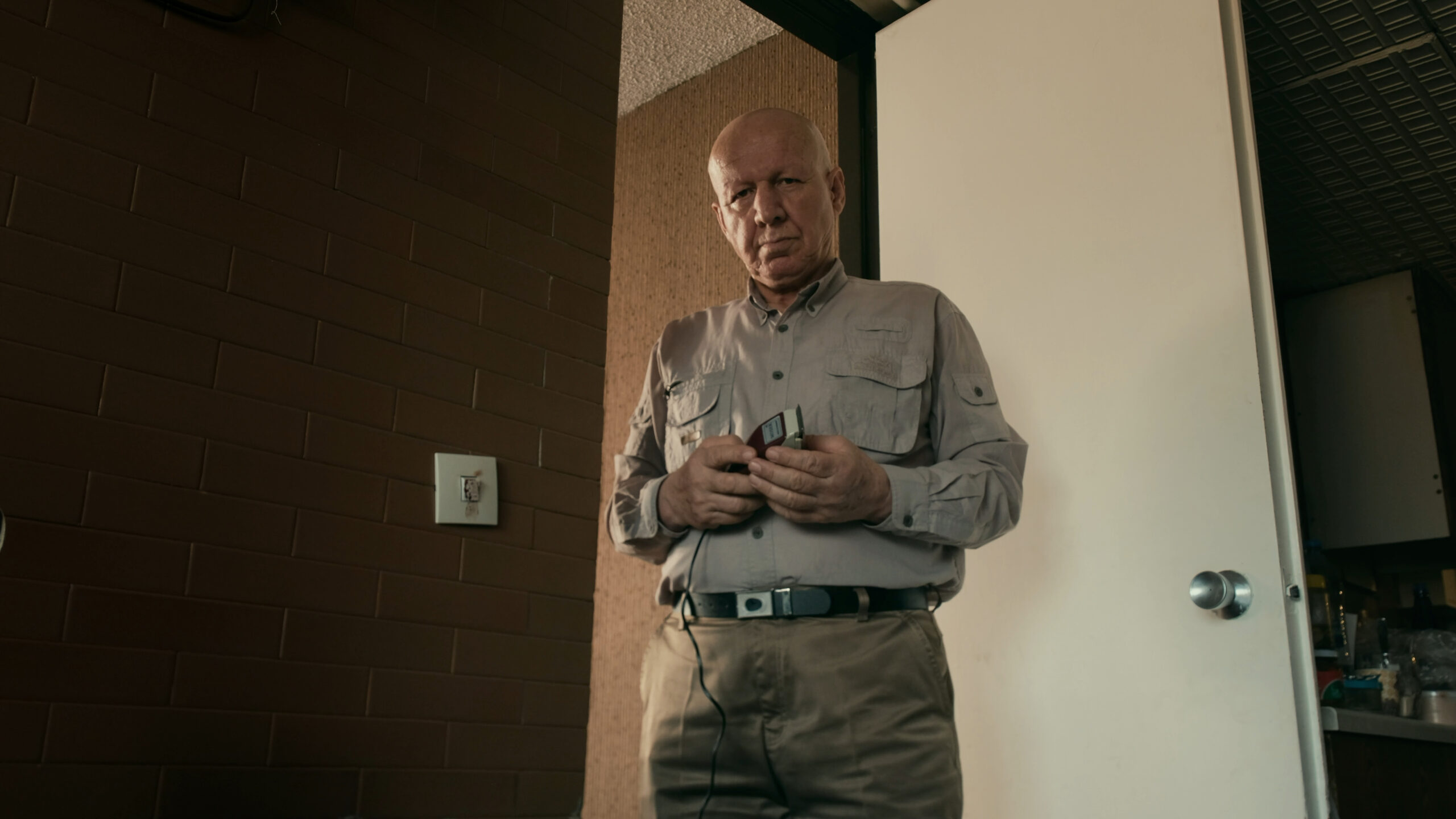
During the twelve-day Iran-Israel war in June 2025, Mahzad flees Tehran with Siavash, a young man blinded during the “Woman, Life, Freedom” protests. Seeking refuge in a remote northern villa, they face isolation, uncertainty, and the distant threat of war. As Mahzad cares for those around her, she struggles between her desire to leave Iran and her responsibility toward those who depend on her.
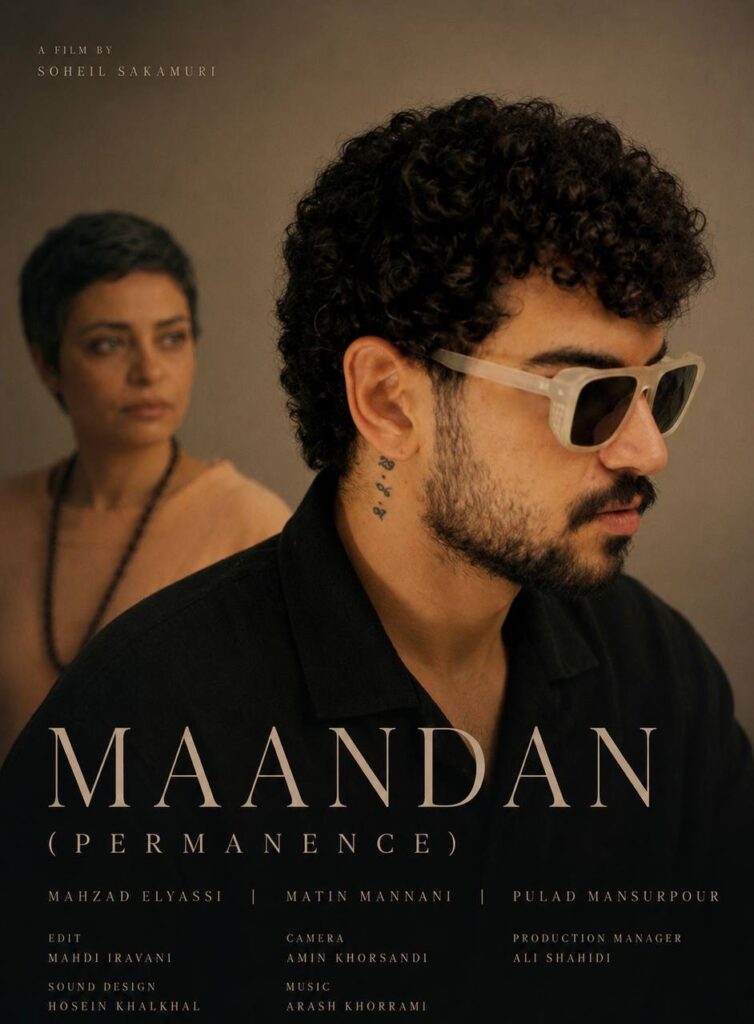
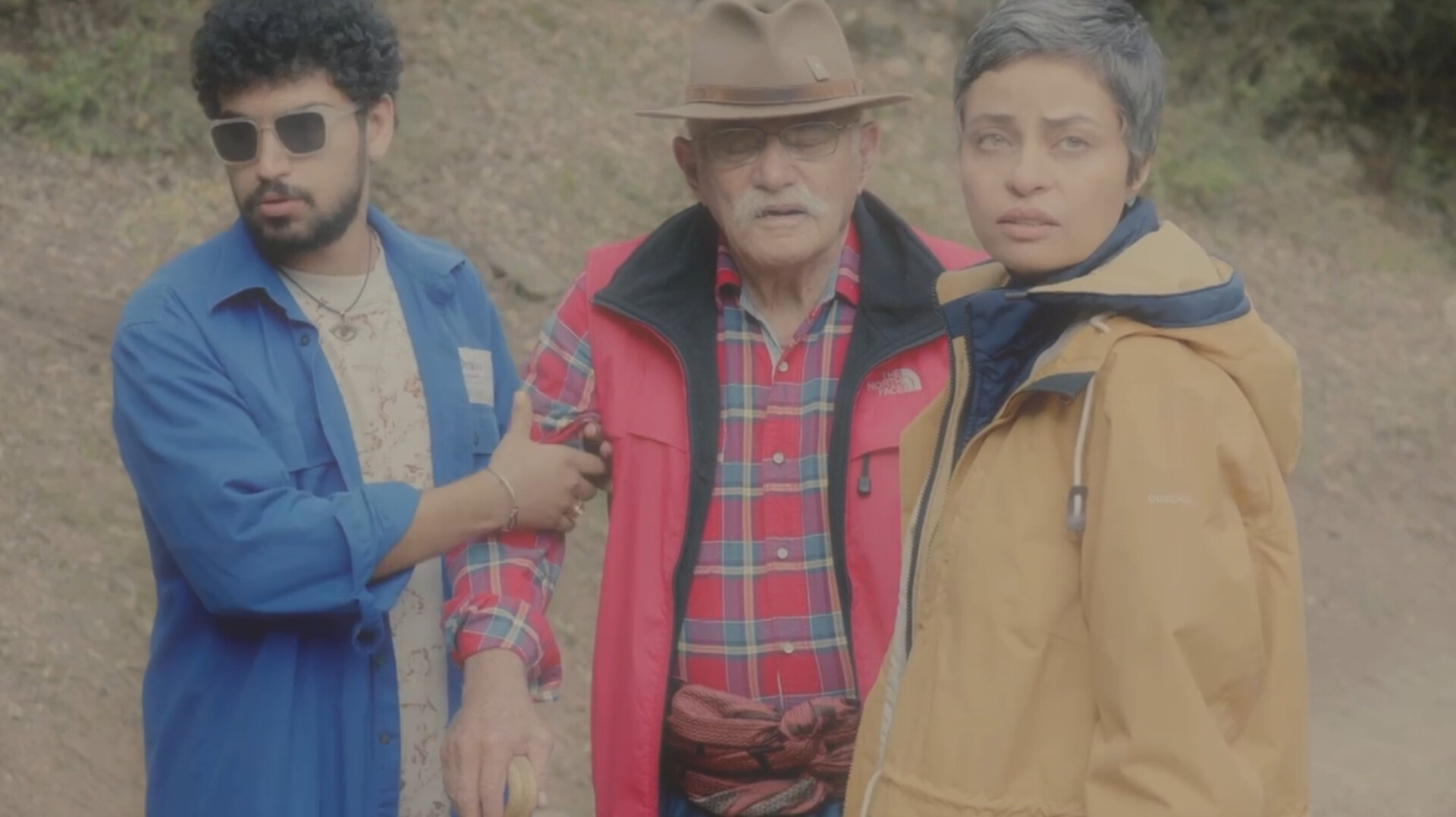
During the twelve-day war between Iran and Israel in June 2025, Mahzad flees Tehran alongside Siavash, a young man who lost his sight during the “Woman, Life, Freedom” protests. Seeking safety from the escalating conflict, they take refuge in a remote villa in northern Iran, belonging to an elderly man struggling with declining health. Far from the capital, they find themselves in an isolated environment where frequent power outages, uncertainty, and the distant presence of war disrupt their everyday lives.

As Mahzad assumes responsibility for caring for Siavash and the elderly homeowner, she faces an increasingly difficult personal dilemma. Her desire to leave Iran in search of safety and a better future conflicts with her sense of responsibility toward those who depend on her. Surrounded by uncertainty, she must confront the emotional consequences of both leaving and staying.
Within the confined space of the villa, the characters gradually form quiet bonds shaped by vulnerability, shared fears, and mutual dependence. Against the backdrop of war, their experiences reveal the personal struggles of ordinary people caught between survival, responsibility, and belonging. The film offers an intimate exploration of human connection and the difficult choices faced by those suspended between the hope of departure and the weight of remaining.

Director’s Statement — Maandan (Permanence)

Maandan (Permanence) began as a scripted film inspired by the real-life experiences of individuals who were shot in the eyes during Iran’s “Woman, Life, Freedom” movement. I traveled to Iran to develop the project in collaboration with people whose personal experiences shaped the story. Among them was Matin, who portrays a version of himself in the film. During the 2022 protests, Matin was shot and permanently lost his sight in both eyes. His participation brought an essential dimension of authenticity and emotional depth to the project.

During pre-production, the war between Iran and Israel unexpectedly broke out, fundamentally changing the circumstances in which we were working. Faced with this unfolding reality, we adapted the screenplay and relocated the story to the twelve-day war in June 2025. What began as a reflection on the lasting consequences of political violence evolved into a film shaped by another historical crisis happening around us. Although the narrative remained rooted in a screenplay, we worked with non-professional actors and encouraged them to approach each scene through their own experiences, language, and instincts rather than strictly following predetermined dialogue. This creative freedom allowed the film to move naturally between fiction and reality while preserving the emotional truth of the lives that inspired it.

Following production, Maandan (Permanence) received post-production support from the Canada Council for the Arts. The completed film exists at the intersection of scripted storytelling and lived experience, shaped by the personal histories of its participants and the extraordinary circumstances surrounding its creation. Through this approach, I sought to explore not only the visible consequences of violence and conflict but also their enduring emotional impact, the complexities of human relationships, and the difficult choices people face when their lives are transformed by forces beyond their control.

About the director

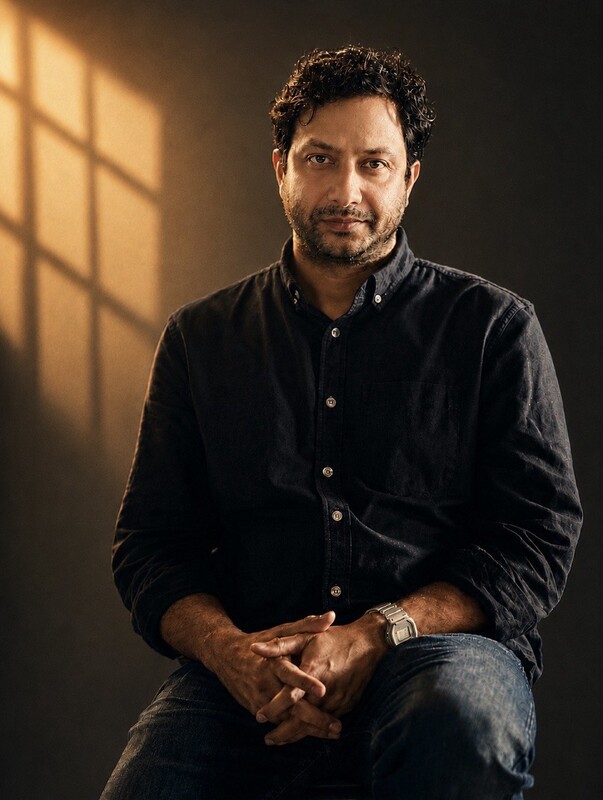
Soheil Sakamuri is an Iranian-Canadian filmmaker, screenwriter, and photographer based in Montreal, Canada. With a background in film production from Concordia University, he works across fiction, documentary, and experimental cinema, exploring the boundaries between personal experience, memory, and cinematic storytelling. His artistic practice focuses on poetic and experiential narratives, often examining human vulnerability, identity, displacement, and the relationship between individuals and their social and political environments.

His film Maandan (Permanence) reflects this approach, blending scripted storytelling with the lived experiences of non-professional actors. Inspired by individuals affected by Iran’s “Woman, Life, Freedom” movement and shaped by the twelve-day Iran-Israel war in June 2025, the film explores the lasting consequences of political violence, the complexities of human connection, and the difficult choices between leaving and staying. The project received post-production support from the Canada Council for the Arts, further contributing to Sakamuri’s exploration of cinema as a space where fiction and lived reality intersect.

Cast

Mahzad Elyassi
Matin Mannani
Pulad Mansurpur
Sirin Atayi
Khalil Ghafuri
Monavar Jafari
Hasan Moghimi Kandelussi

Crew

Director & Producer: Soheil Sakamuri
Screenwriter: Mahzad Elyassi
First Assistant Director: Asal Bostani
Director of Photography: Amin Khorsandi
Camera Assistant: Sepehr Boojaran
Editors: Mahdi Iravani, Elham Goodarzi
On-Set Editor: Mina Khosronejad
Editing Consultant: Pedram Khoshbakht
Sound Recordists: Shahriar Sabet Moghadam, Shahin Sabet Moghadam
Dialogue Editor: Hosein Khalkhal
Sound Design & Mixing: Arash Ghasemi
Sound Effects Design: Mohammad Ghasemi
Assistant Sound Effects Designer: Negin Ghasemi
Sound Technical Services: Hum Studio


Music: Arash Khorrami
Costume & Set Design: Sara Sakamuri
Production Manager: Ali Shahidi
VFX Supervisor: Behdad Bagheri
Colorist: Mahdi Iravani
Color Consultant: Nima Dabirzadeh
Technical Support: 35mm Studio

Special Thanks

Emmet Henchey, Richard Kerr, Karina Garcia Casanova, Morteza Farshbaf, Mohammad Shirvani, Jasmin Ghorbani, Mohammad Naseri, Hanif Sharmin, Erfan Mohammadi, Esmaeel Moghimi Kandelussi, Mostafa Alimoradi, Arian Salarian, Azarmidokht Ghaem Maghami.